
Library Access and IT
- Oct 6, 2019
- 2 min read
Library patrons all have unique information needs, but some patrons also need special accommodations as well. There are physical as well as digital obstacles that should be considered for libraries to remain a helpful, welcoming and relevant environment. Naturally, the first consideration is how patrons get to and enter the library. Every library should be on a city bus route or have some form of public transportation that eases the access for patrons who do not drive or do not have reliable private transportation. Once they arrive at the library, the first piece of technology that some users may need is a power-operated automatic door that is the easiest way for someone in a wheelchair, on crutches or is otherwise physically unstable to enter the library.
Understanding how difficult it is for some patrons to even get to the library and inside it, librarians can start evaluating how their space is accessible for some patrons. Some things to review are the physical layout of the library and how wide the aisles are and how tall the tables are for wheelchair access. Visual impairment is where libraries can easily be the most helpful. Visually impaired or older patrons may require computer screens with larger fonts, audiobooks, electronic books and the knowledge on how to change font size on electronic devices.
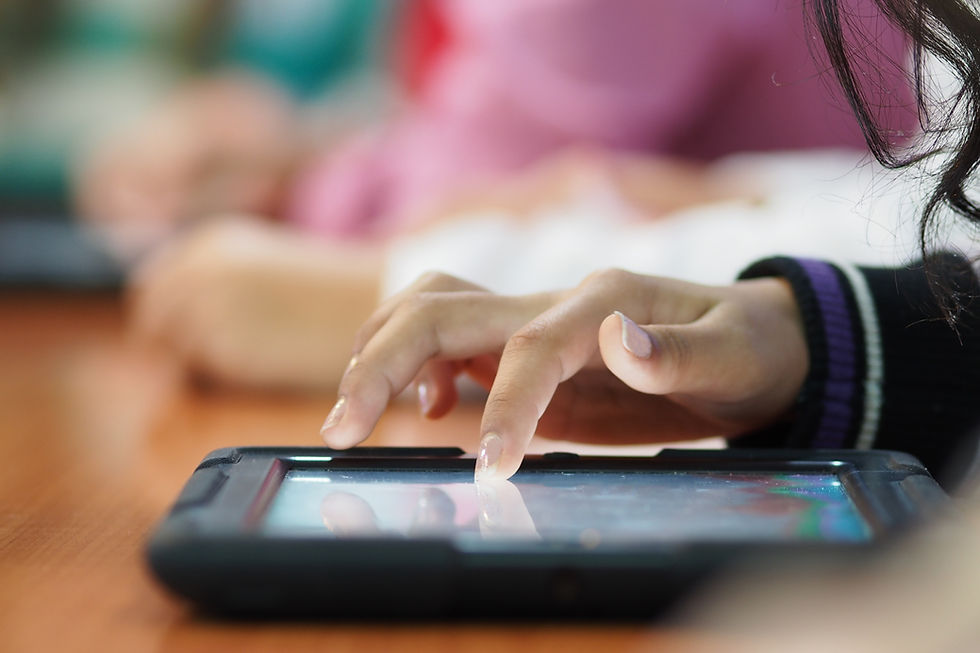
Staff who are trained in how to help patrons who cannot hear, see, or have difficulties in other areas can mean the difference between welcoming all patrons and freezing out those who don’t fit a stereotype of the regular library patron. Information technology in libraries can be made available for patron use in accessing all the library’s resources but it can also be helpful to staff who are helping to assist patrons in accessing those resources. Staff iPads or other portable devices can be helpful when needing to communicate with a patron who does not speak English and need translation services or patrons who cannot speak. For instance, rather than using scrap paper and pencils, staff can use a whiteboard app to write or type out a communication between the staff member and the patron.
There are many more ways that IT can be helpful to patrons who have physical or mental challenges in using the library. Below are a couple of inspirational stories on how libraries can help bridge gaps between those who want to use the library and the librarians who want to serve them.
Bridging the Digital Divide: https://www.urbanlibraries.org/blog/the-librarys-role-in-bridging-the-digital-divide
Libraries Transform Initiative:
http://www.ilovelibraries.org/librariestransform/

Photo of patron using video magnifier retrieved from https://thesylvesterlocal.com/georgia-public-library-service-provides-assistive-technology-to-worth-county-library/
Comments